


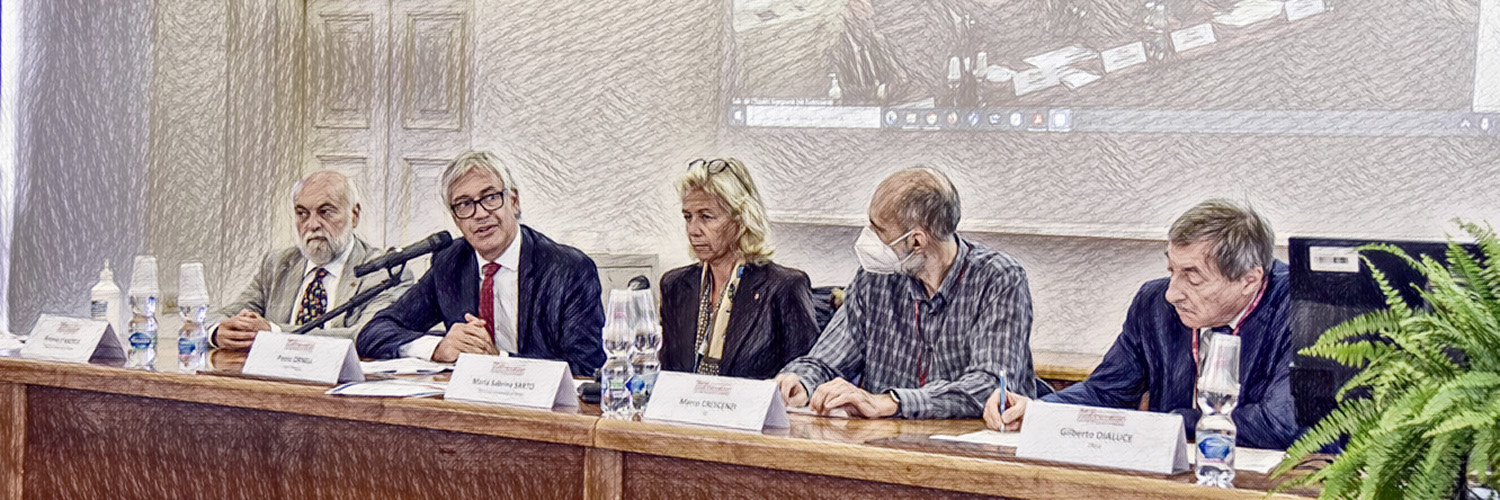
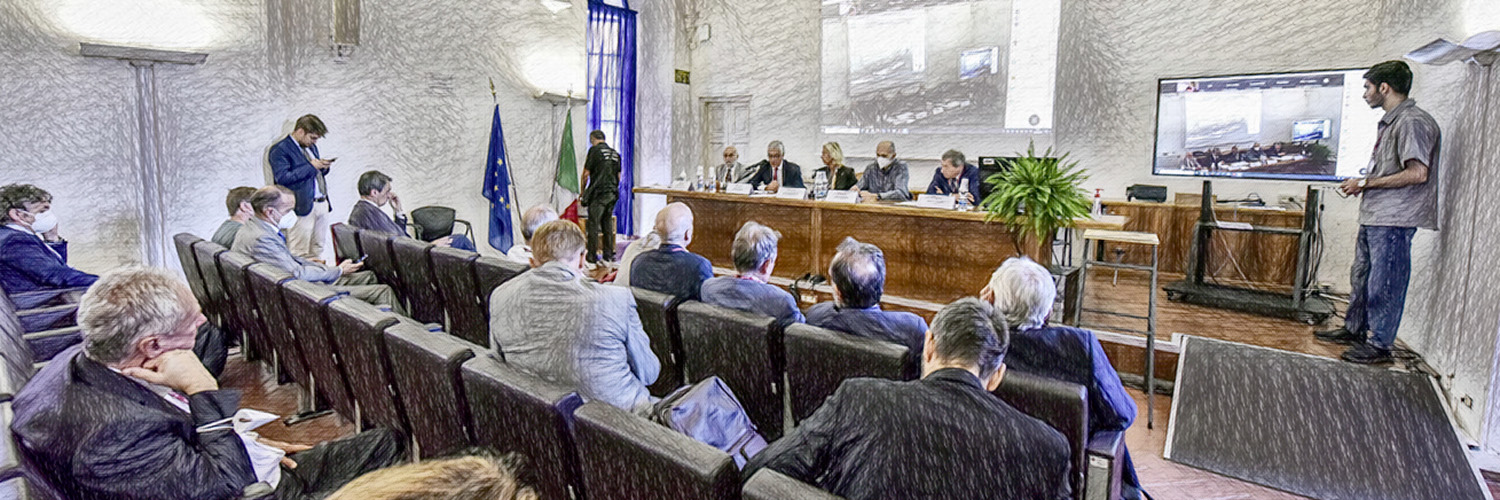
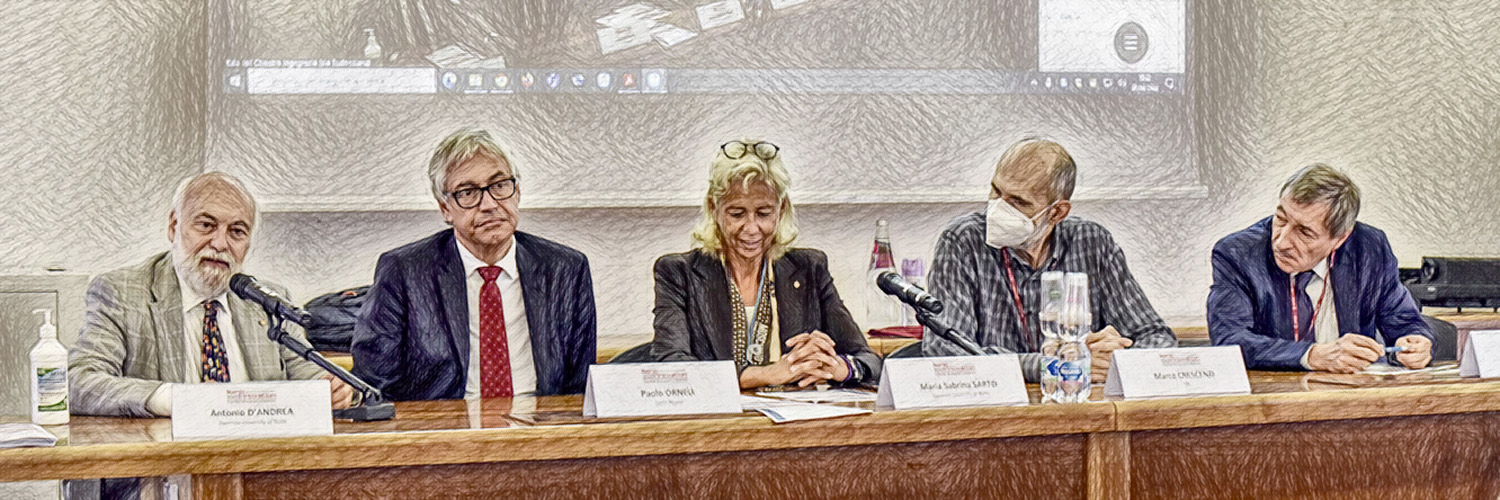
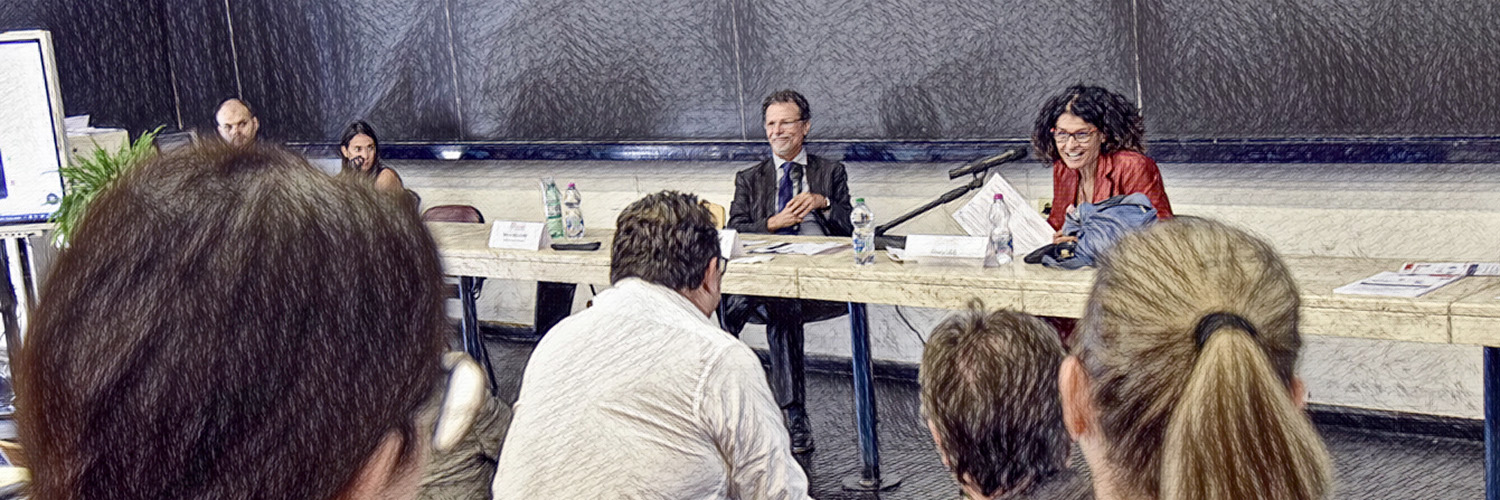
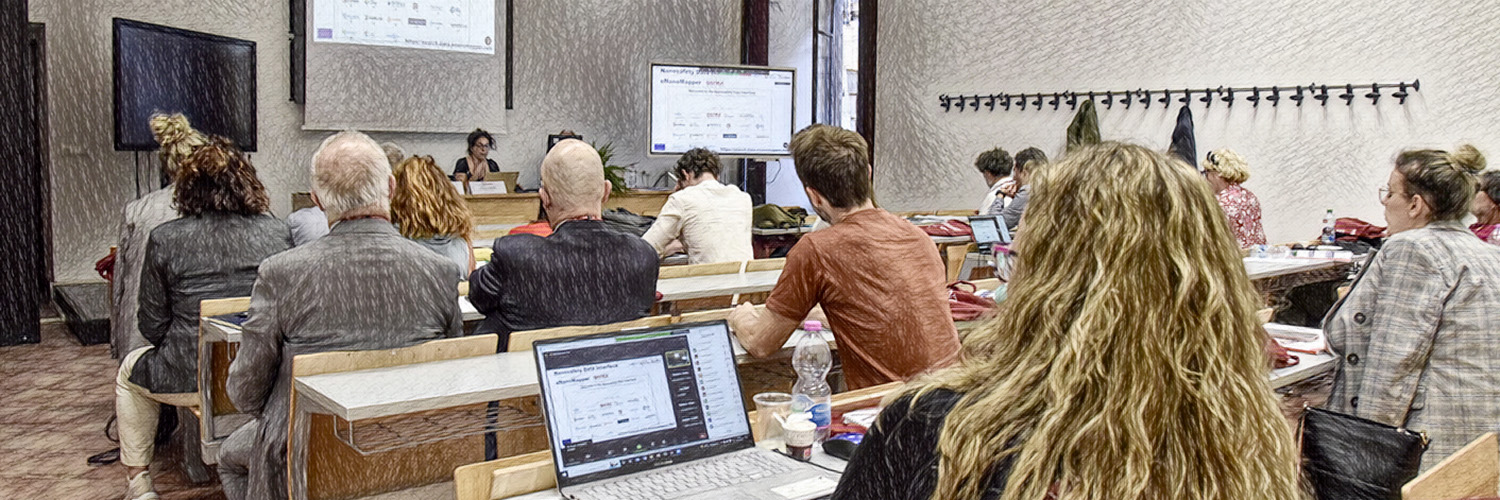
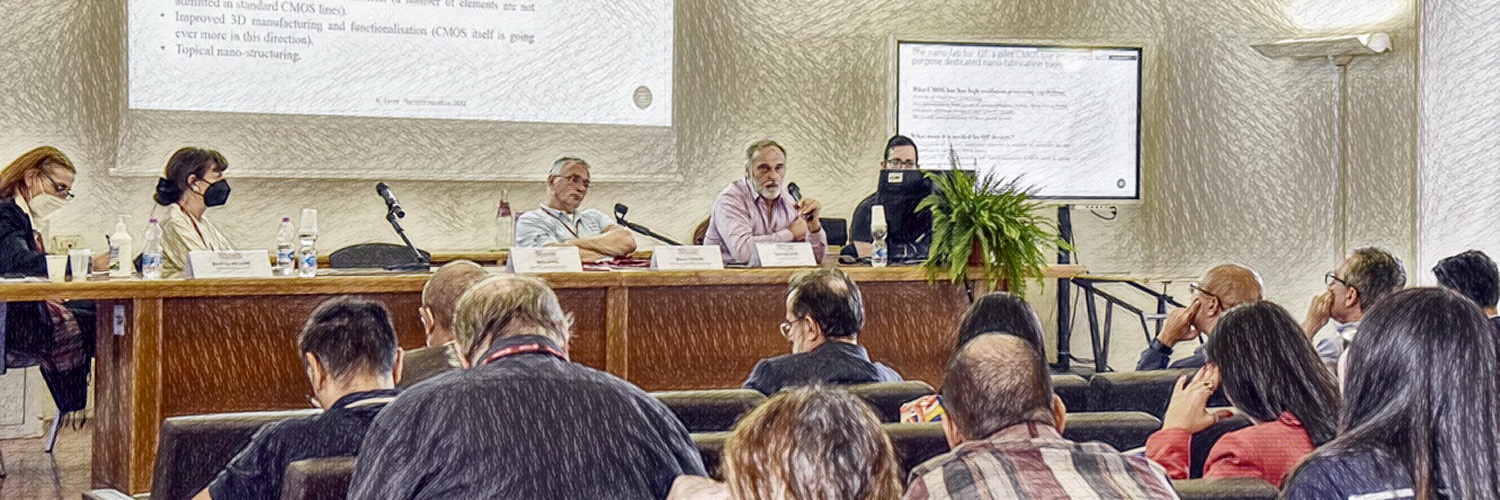
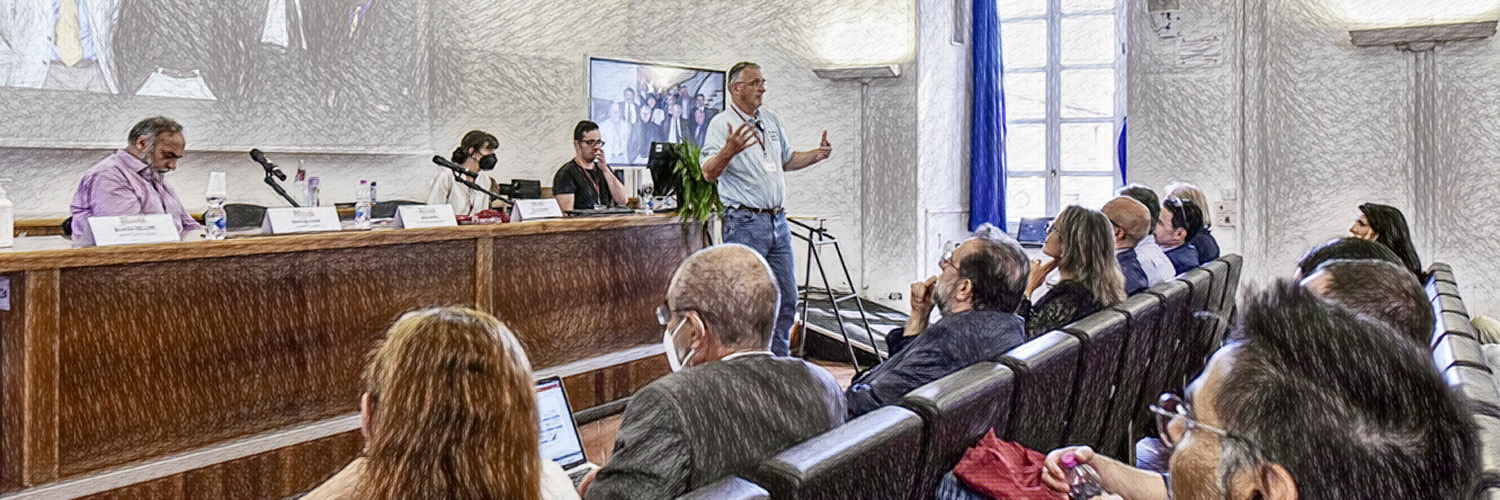
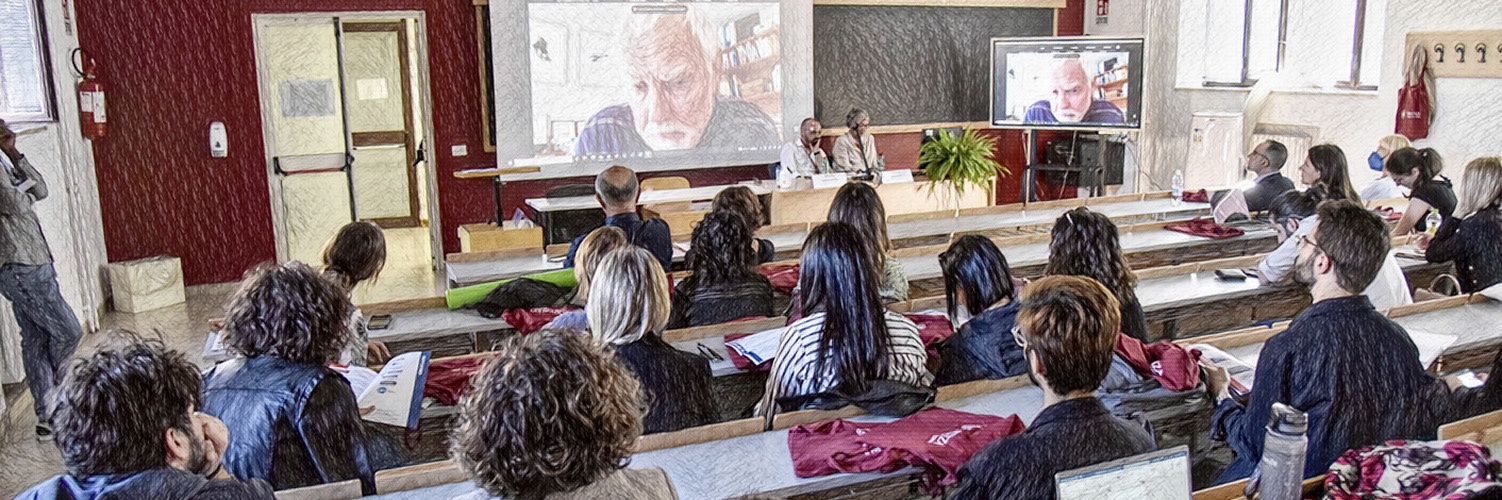
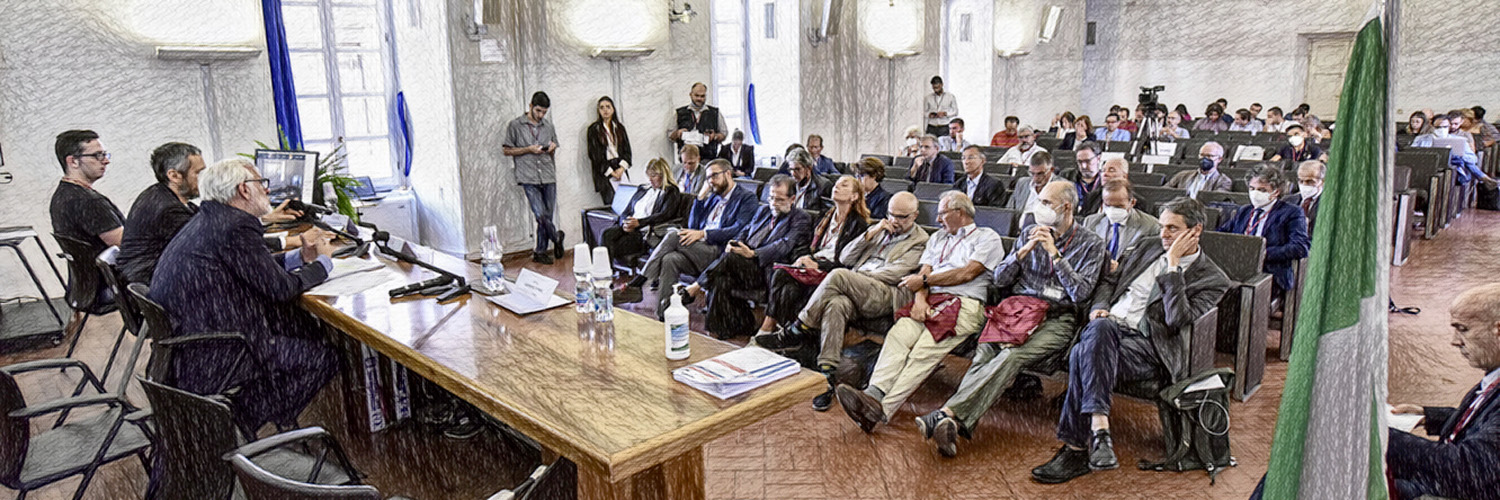
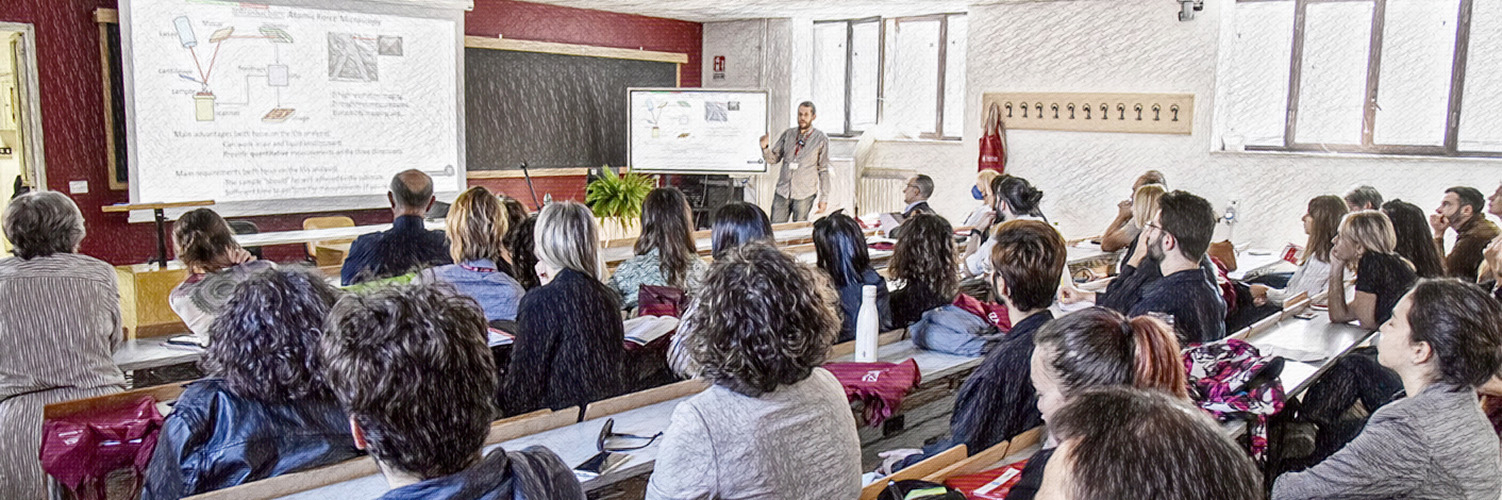

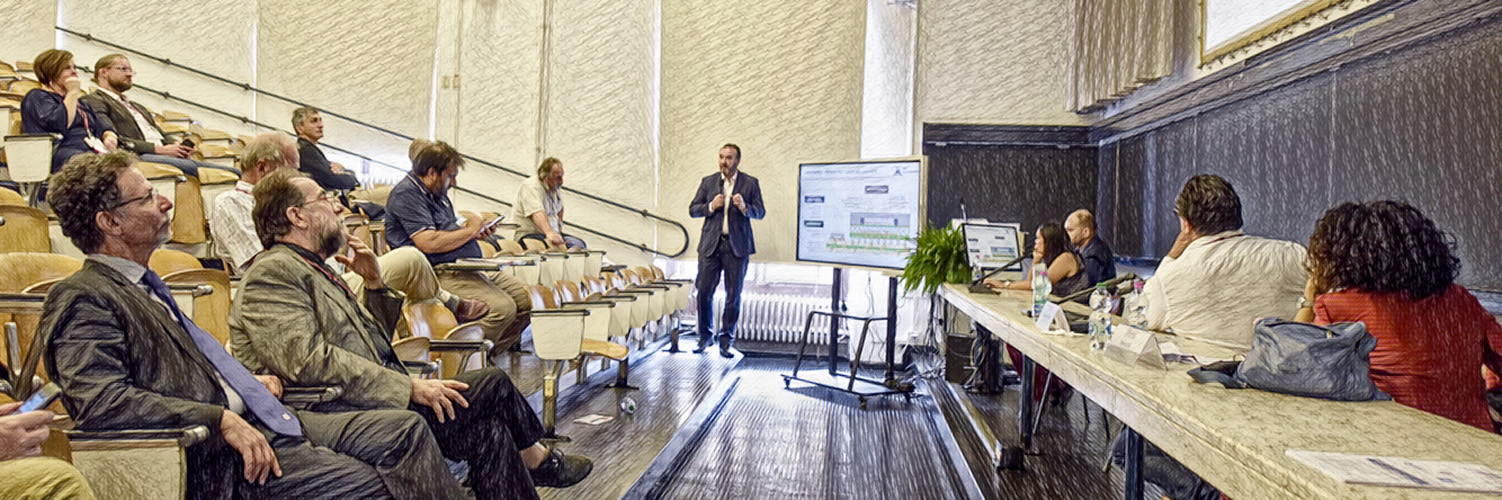
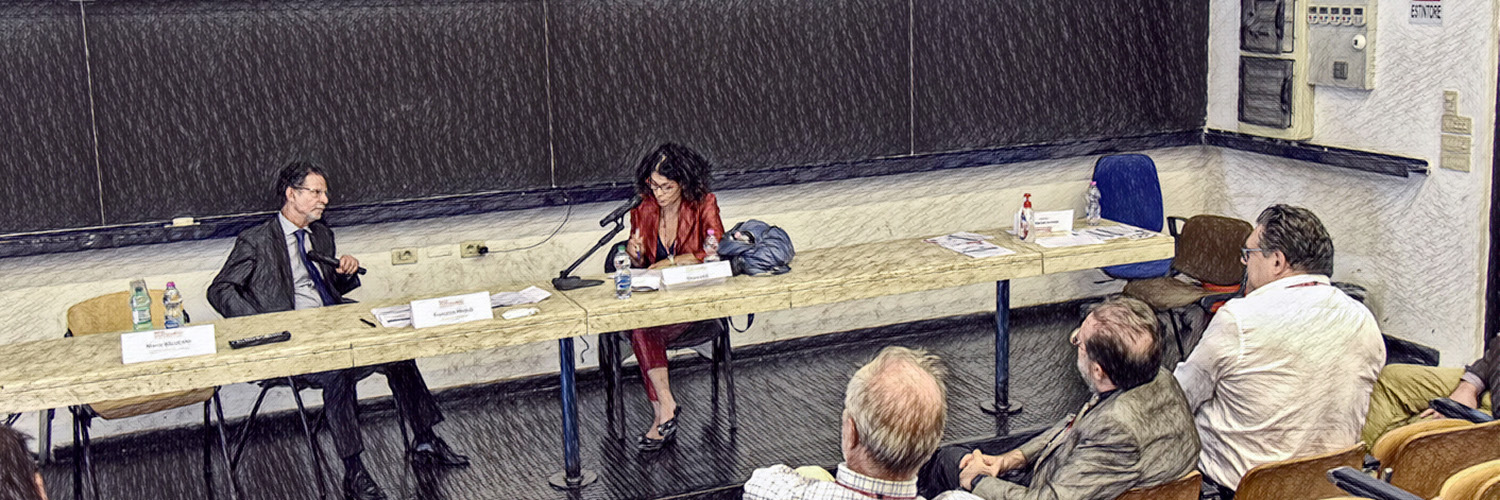
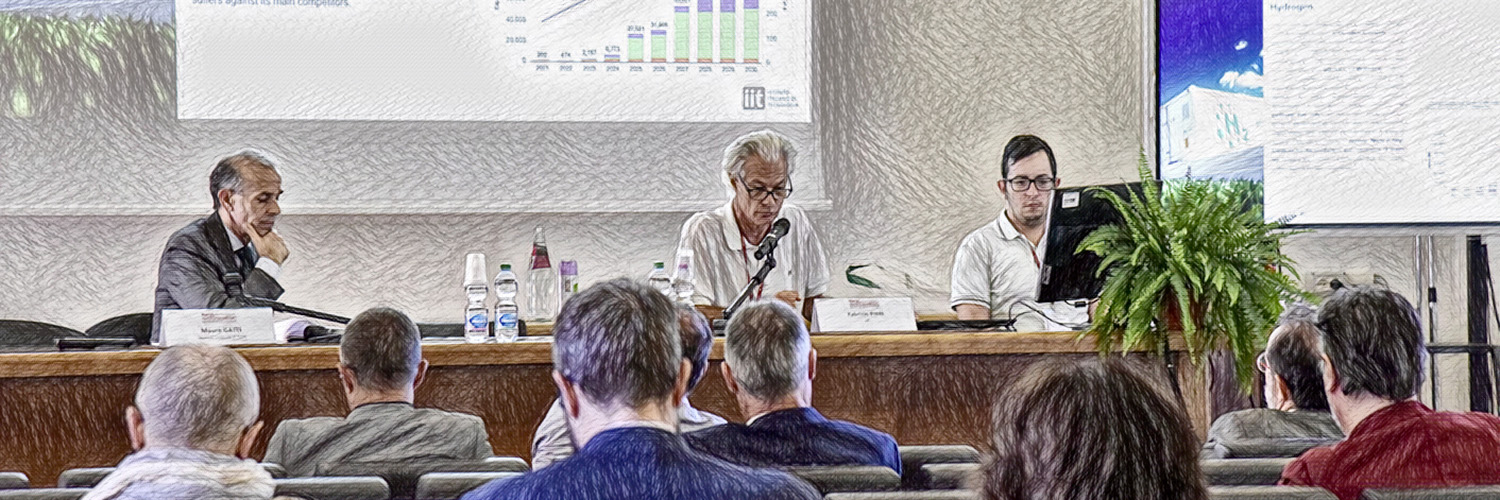
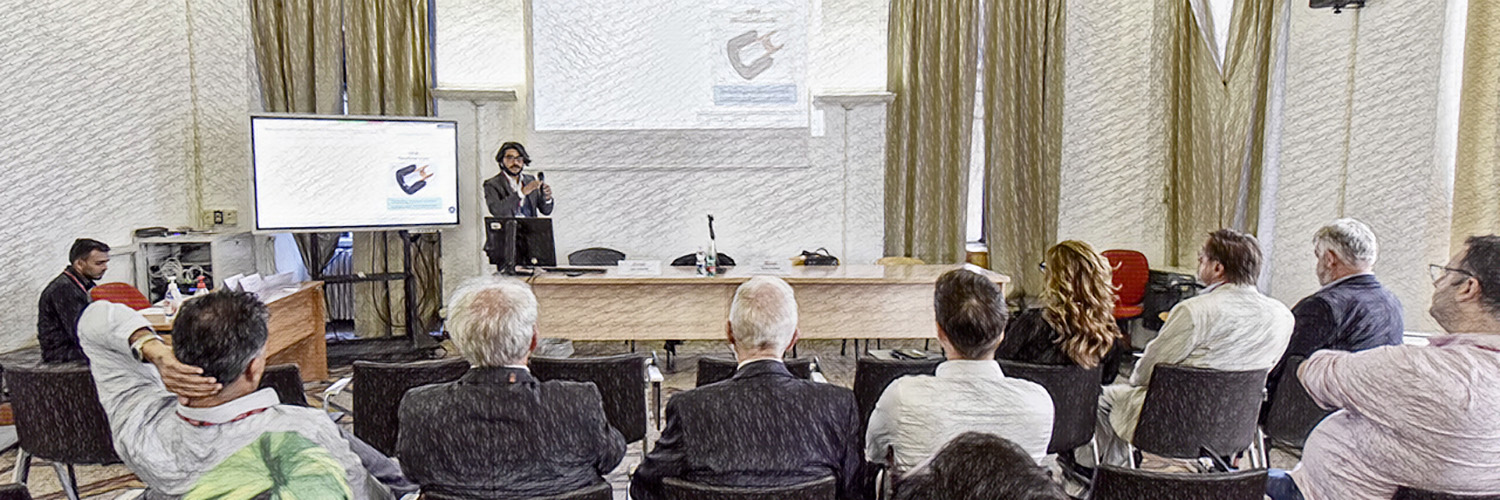
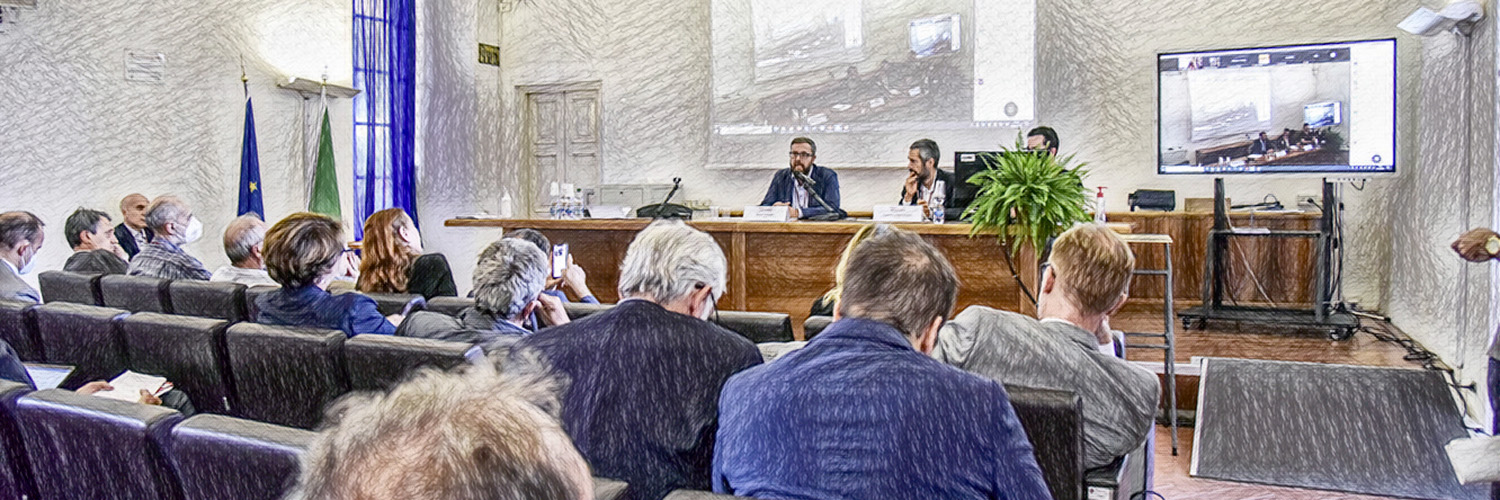
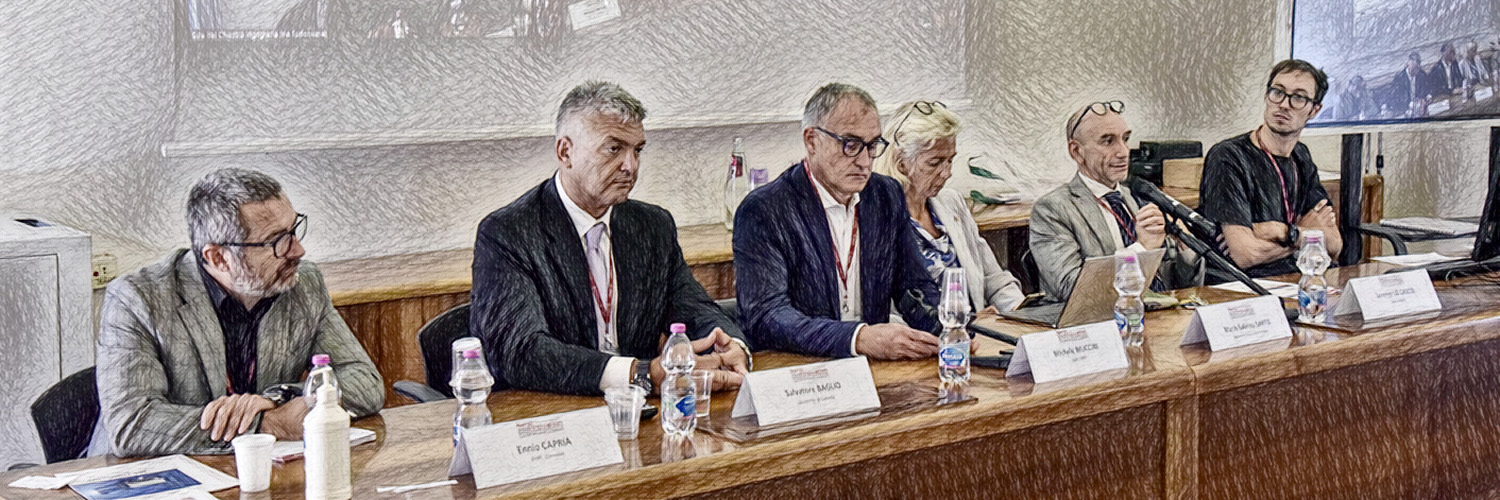

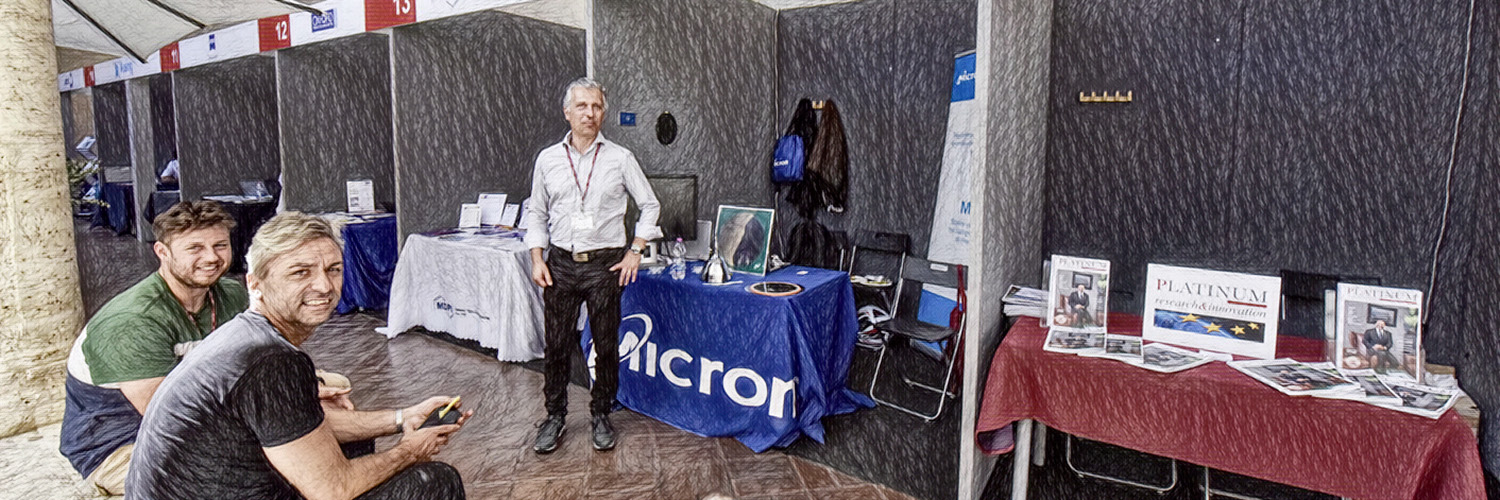
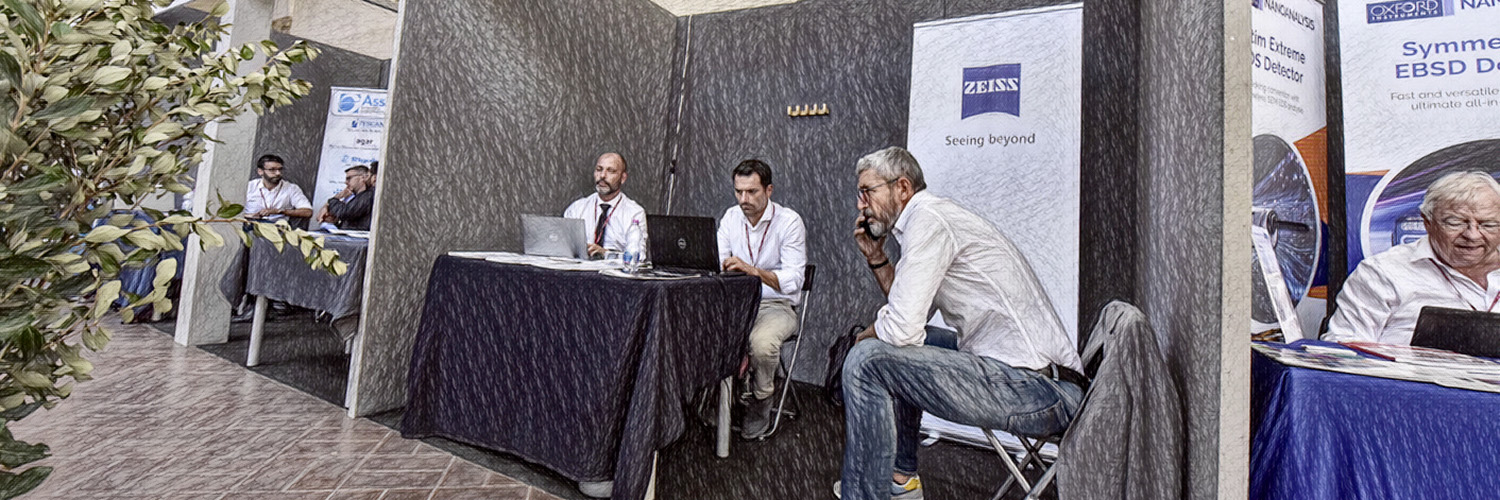
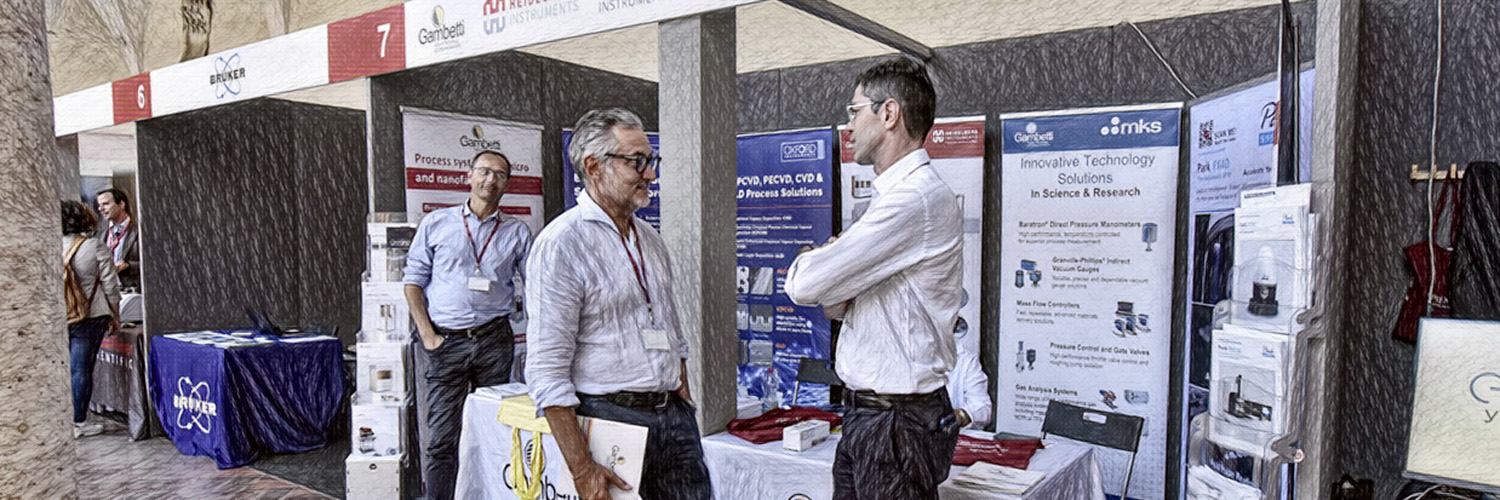
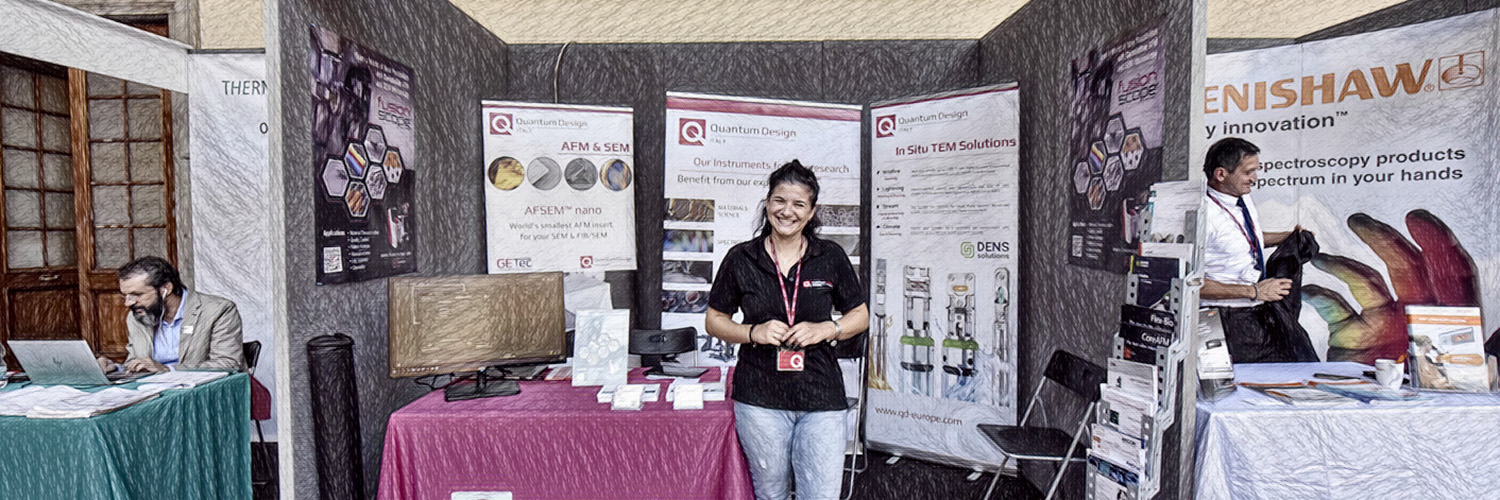







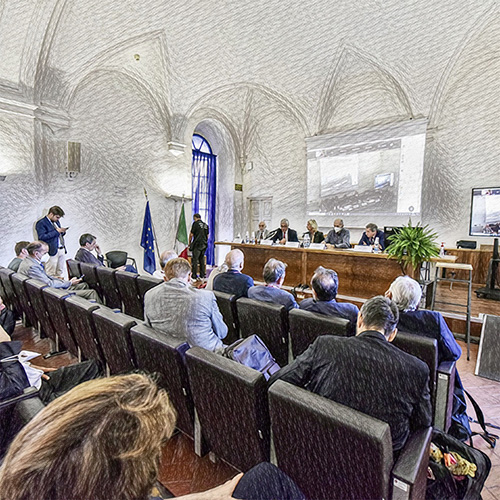
 With the growing interest generated by the previous five editions of "Open Innovation and Open Science," the event is once again being organized as part of NanoInnovation 2023, marking its sixth edition. Since the 2022 edition, it was decided, for continuity, to retain the same title, but the contents and aims of the event have been revised and reconfigured to thoughtfully align with the scenarios presented ...
updated on September 22, 2023
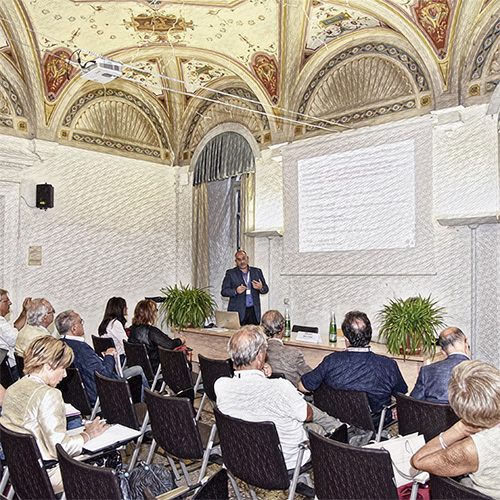 Extracellular vesicles (EVs) are nowadays recognized as fundamental elements in intercellular communication. They are a heterogeneous population of membrane-bounded vesicles that play important roles not only in cellular communication but also in preventing or promoting certain diseases, including infectious diseases, neurological disorders, metabolic alterations, and cancer...
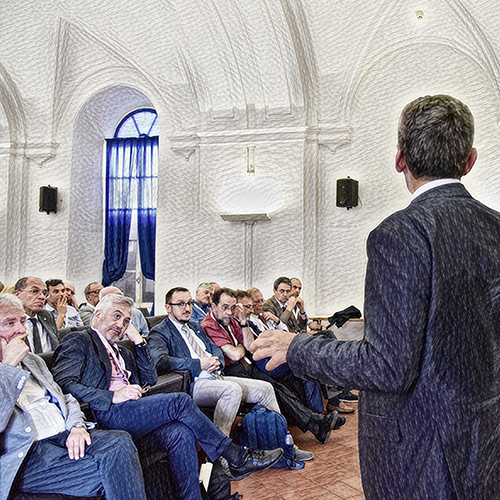 In recent years, the significance of research infrastructures, as providers of advanced instrumentation and specialized skills, has dramatically increased due to the necessity for optimal management of highly complex and costly instruments. In an ever-evolving landscape of scientific and technological advancement, the pivotal role of research infrastructures is ...
 Rome Technopole is the Lazio regional innovation ecosystem - made up of 7 universities, 4 Research bodies, the Lazio Region and the Municipality of Rome, and other public bodies, 20 industrial groups and companies - which actively contributes to increasing investments in research and development, in the driving sectors of: 1. energy transition, 2. digital transition, 3. health and bio-pharma...
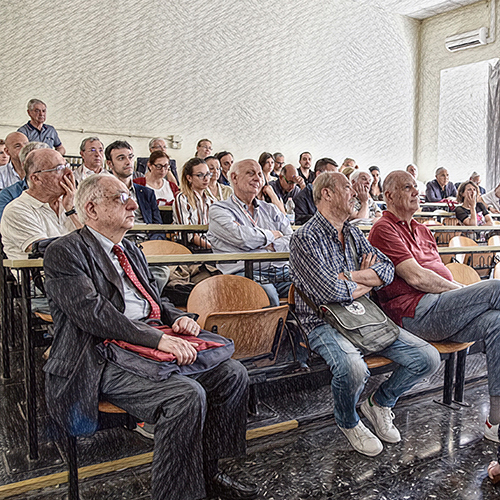 NanoInnovation BreakOut sessions are designed to provide a focused, interactive and informal sessions, where participants split into smaller groups to discuss specific topics, themes, or issues related to research topics, practical applications, processes & products, challenges and emerging trands, cooperation opportunities, projects and other aspects of their professional activities. They aim to encourage ...
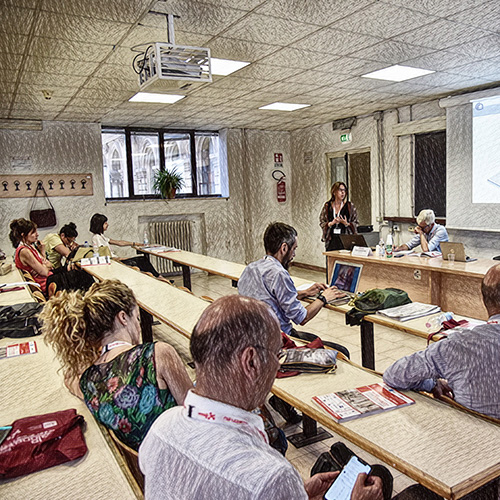 As research and innovation continue to thrive in the dynamic landscape of the current age, the need for ethical considerations has become increasingly important. This workshop aims to explore the diverse and complex ethical dimensions inherent in contemporary research and innovation practices. By addressing the ethical implications across various domains, the workshop will provide participants...
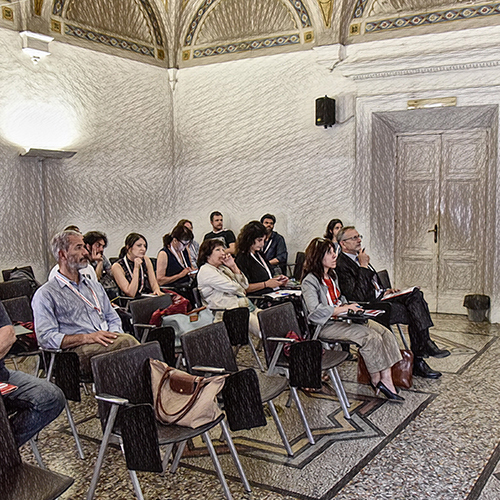 In a time marked by the urgent requirement to move towards more environmentally friendly energy solutions, hydrogen emerges as a key player in reshaping the global energy landscape. This workshop aims to examine various aspects of hydrogen utilization, highlighting initiatives such as Hydrogen Valley and other innovative projects that demonstrate a commitment to innovation...
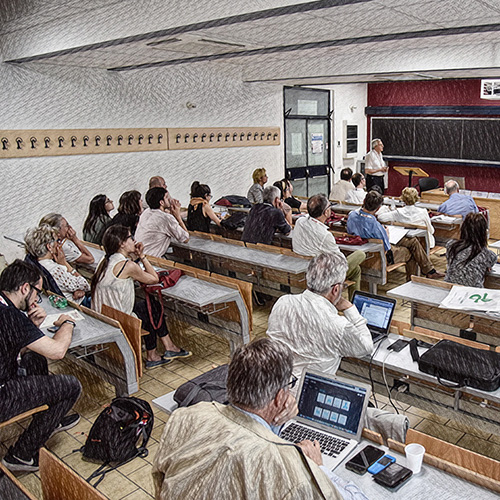 Recently the Electrochemical Science revealed to be central in the ambits of energy transition, sustainability, circularity and decarbonisation through various research activities: electric energy production (electrochemical and fuel cells), storage (batteries), surface processing (electroplating) and sensing/imaging of the electrochemical activity of surfaces. The most important developments...
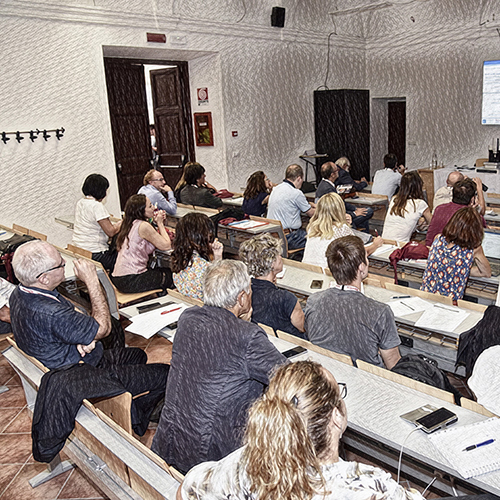 The safety and sustainability of chemicals and materials and their applications are a cornerstone of current EU policy and industrial strategies. Frameworks and criteria for the practical implementation of SSbD approaches have been published by the OECD, European Commission, and industrial actors, such as CEFIC. These will increasingly become premium aspects to access...
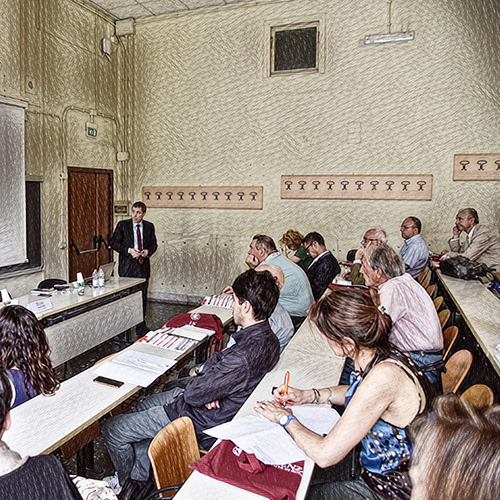 Electrospinning is internationally recognized as one of the key nanotechnologies of the future. It is currently the most economical, versatile and efficient technology for manufacturing both highly porous membranes, nano and/or microfibers and nano/microparticles. It allows to design nanofibrous matrices, starting from polymeric solutions, with multiple shapes (hollow, core-shell, nanocomposite...
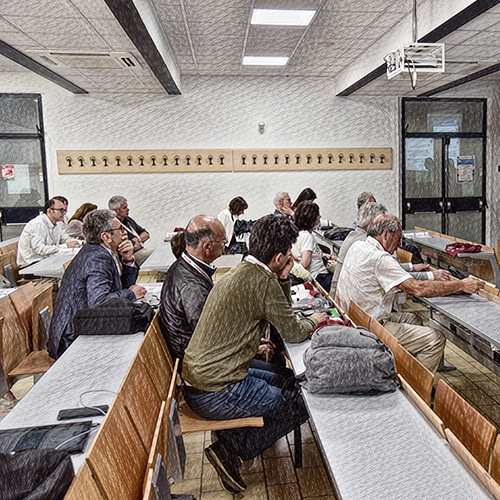 NanoItaly association and Airi organize the eight edition of the NanoInnovation Conference, in cooperation with numerous co-organizers, including several Airi members. Airi promotes a set of events with a thematic approach: new technologies for digital and green transition that impact on people and firms’ everyday life, underlying how a responsible approach can help to combine economic, environmental...
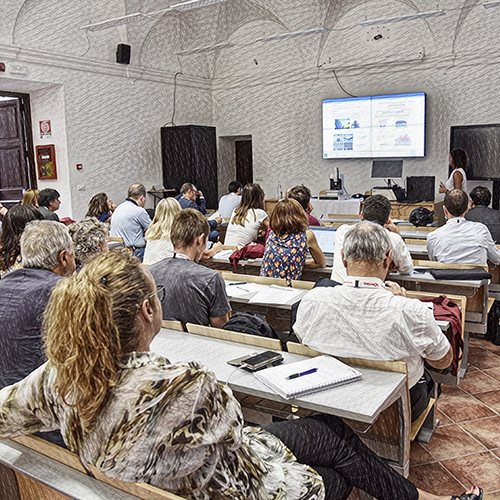 With the world’s population expected to exceed nine billion by 2050, scientists are working to develop new ways to meet rising global demand for food, energy and water without increasing the strain on natural resources and the environmental pressure. Organizations including the World Bank, and the U.N. Food and Agriculture Organization, as well as the EU F2F and Green Deal strategies are calling for more...
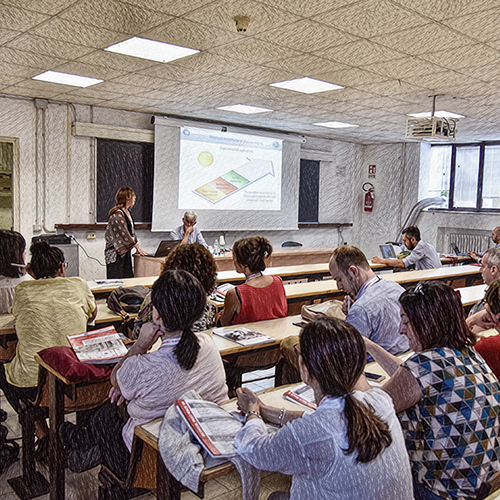 The workshop "Emerging materials and technologies for a sustainable society" aims at bringing together researchers, academics, and representative from the industrial world and civil society from various fields to explore the latest developments and prospects of emerging materials and technologies in promoting sustainability...
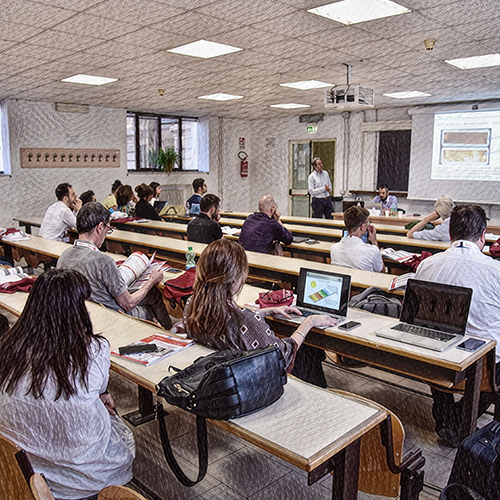 The workshop "Bridging the Gap between Atomistic Modeling and Continuum Mechanics" aims at exploring the challenges and opportunities in connecting two fundamental approaches in materials science and engineering. Atomistic and continuum modeling are both widely used to study ...
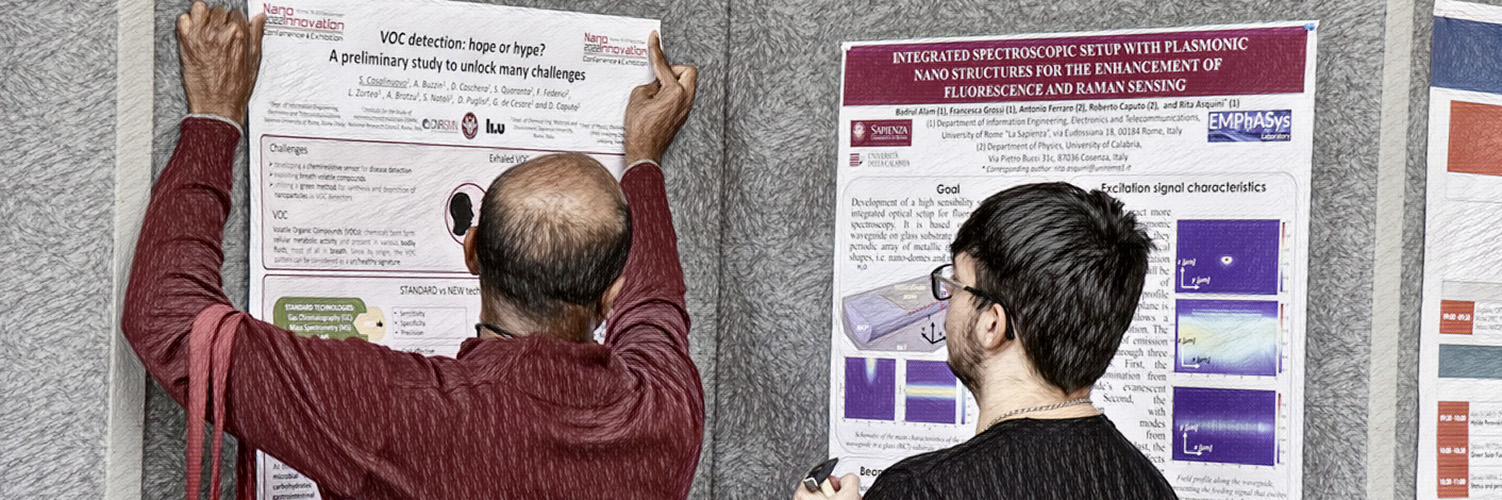
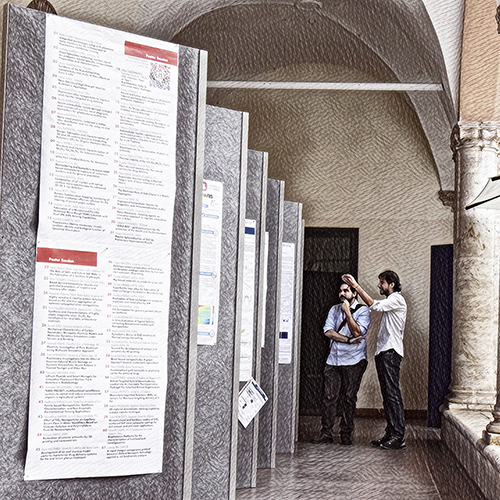 In this Poster Session, you can find a complete list of posters selected by the Steering Committee on the basis of the scientific quality of the researches. In this virtual gallery, all participants can read the Poster and watch the Poster presentation clip.
 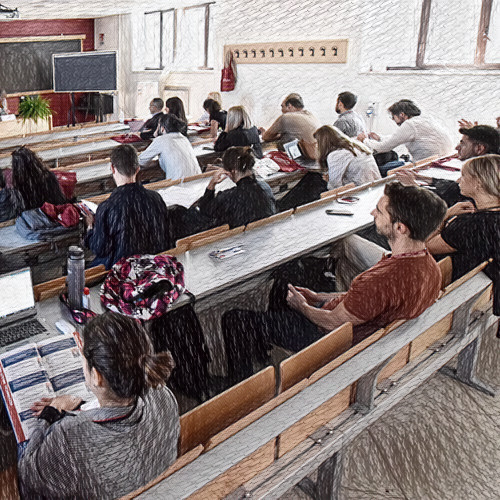 The course is dedicated to Master Degree and Ph.D students, as well as to scientists working in the wide field of micro- and nano-technology, offering the opportunity to learn about fundamentals on processes, devices fabrication and characterization processes, with attention to both planar and 3D technologies. Besides the lectures ...
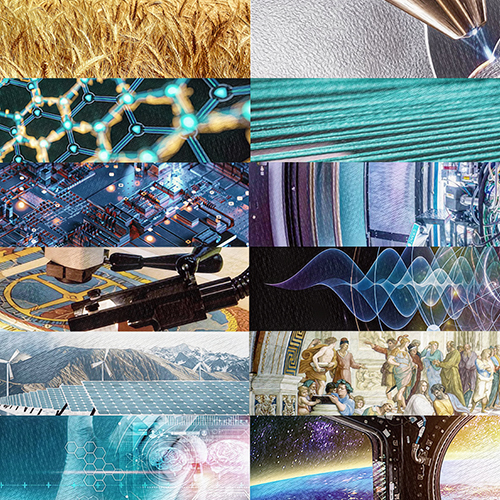 At NanoInnovation 2023 special emphasis will be given to issues related to energy transition, digital transition, circular economy but also biomedicine and more. Multi-track sessions with parallel thematic symposia are scheduled for September 20, 21, and 22. The structure remains unchanged with each of the 12 multi-track sessions comprising 4 to 5 parallel thematic symposia, lasting 90 minutes each.
 This year's many NanoInnovation workshops will address the hot topics of recent years. In particular, we will address topics pertaining to the PNRR, energy transition, sustainability, innovative approaches in biomedicine and agribusiness, digital transition, responsible industry, ethical aspects of innovation, cultural heritage and additive manufacturing, and nanotechnologies, of course!
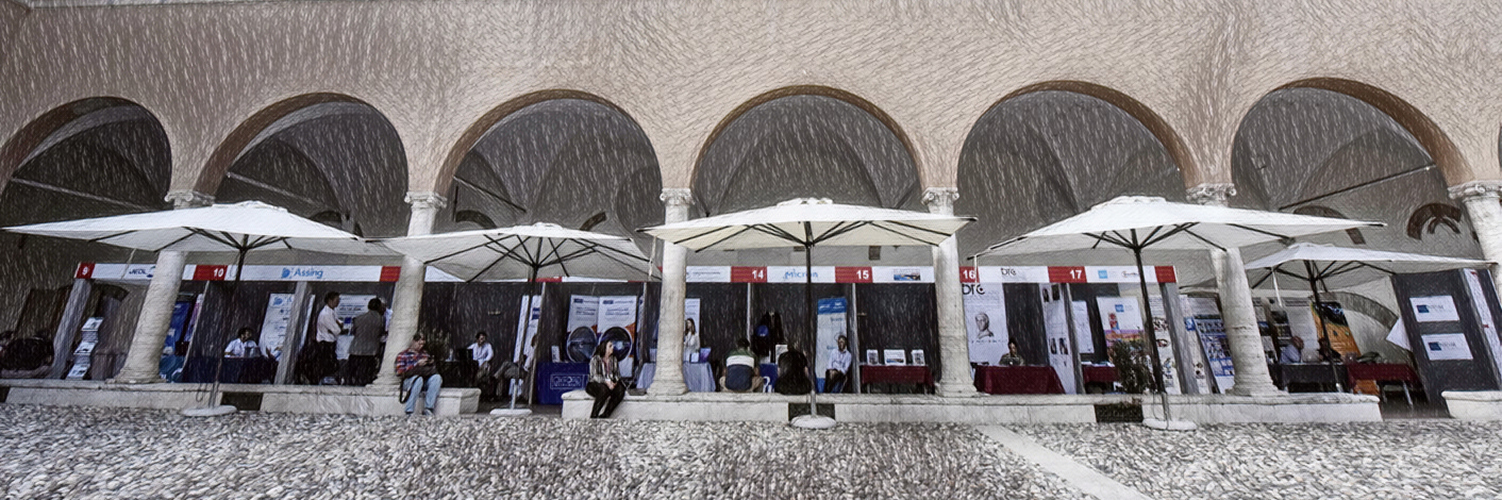
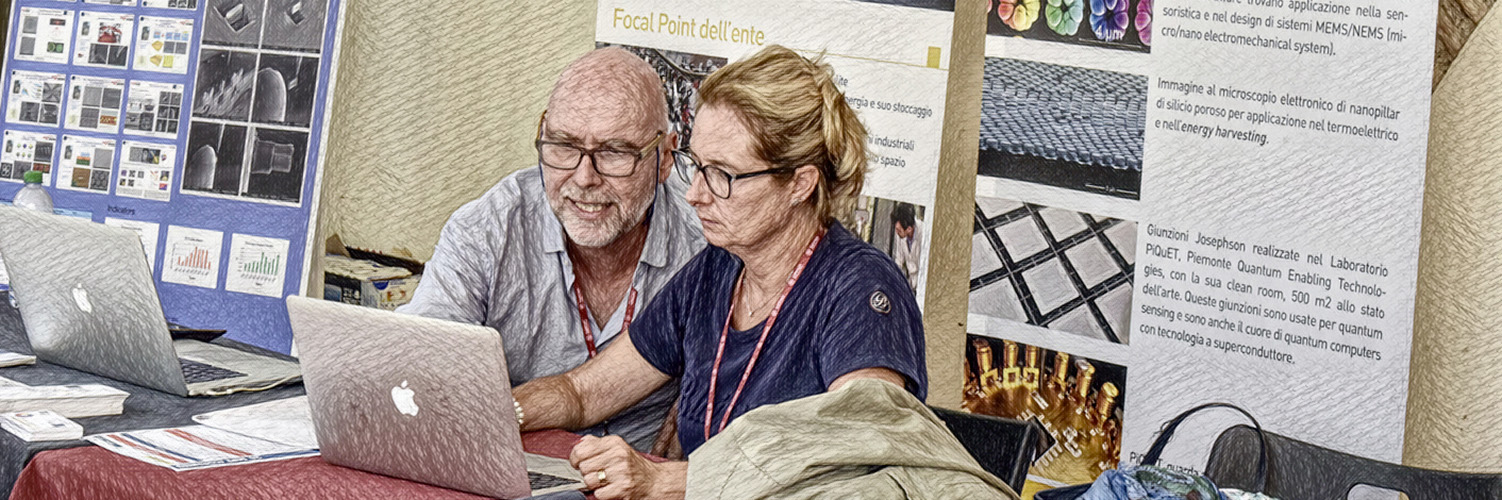
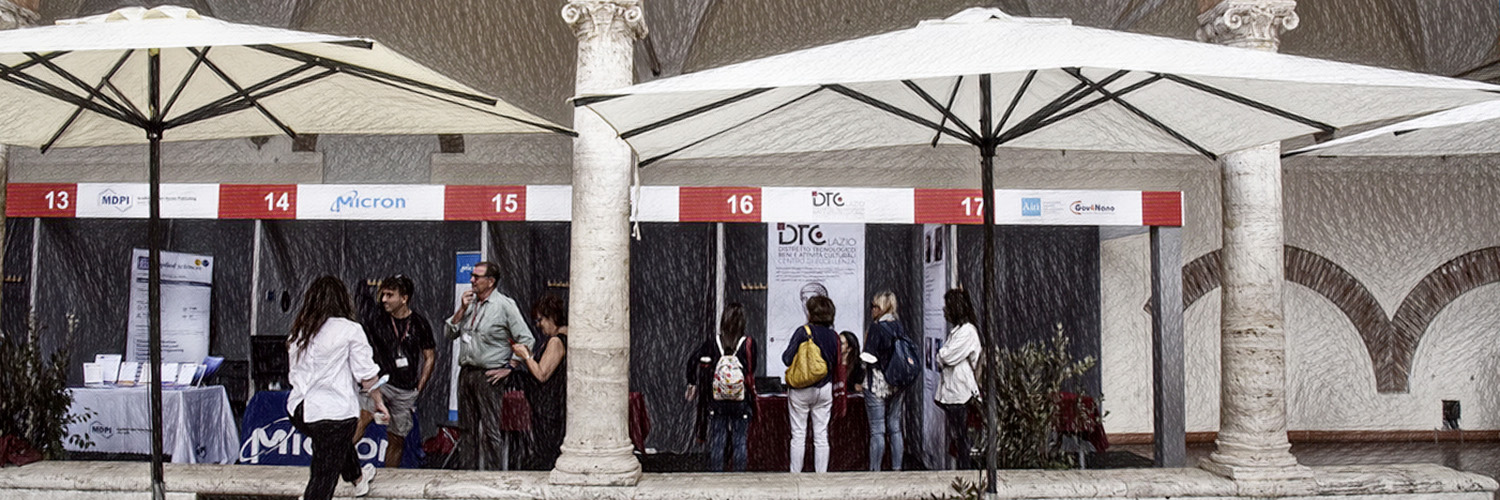
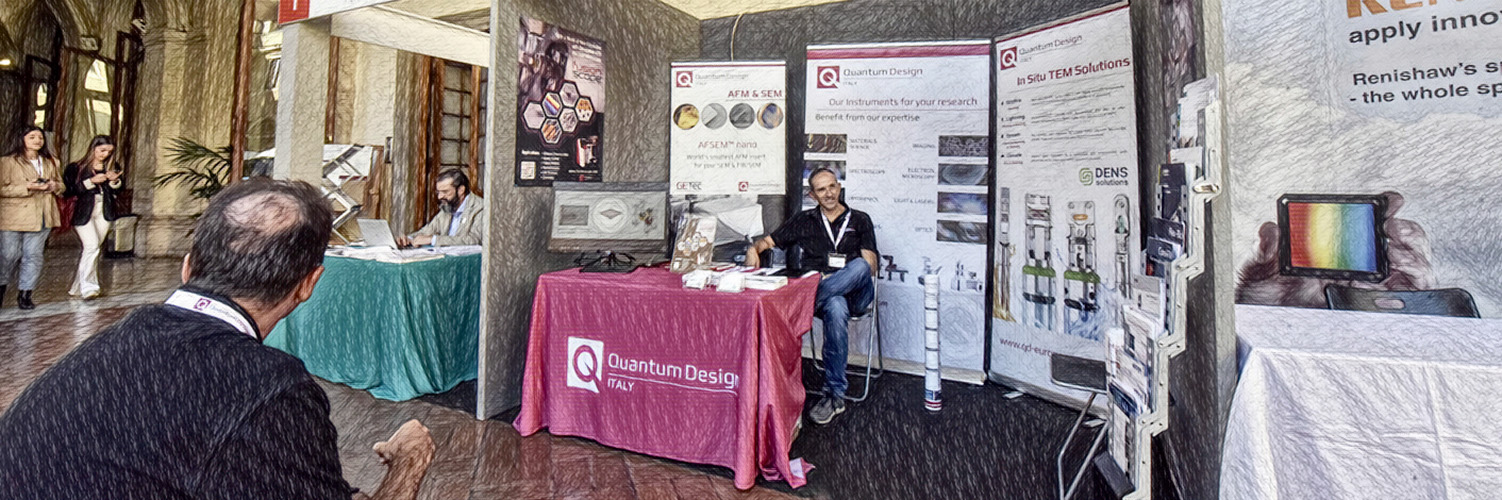
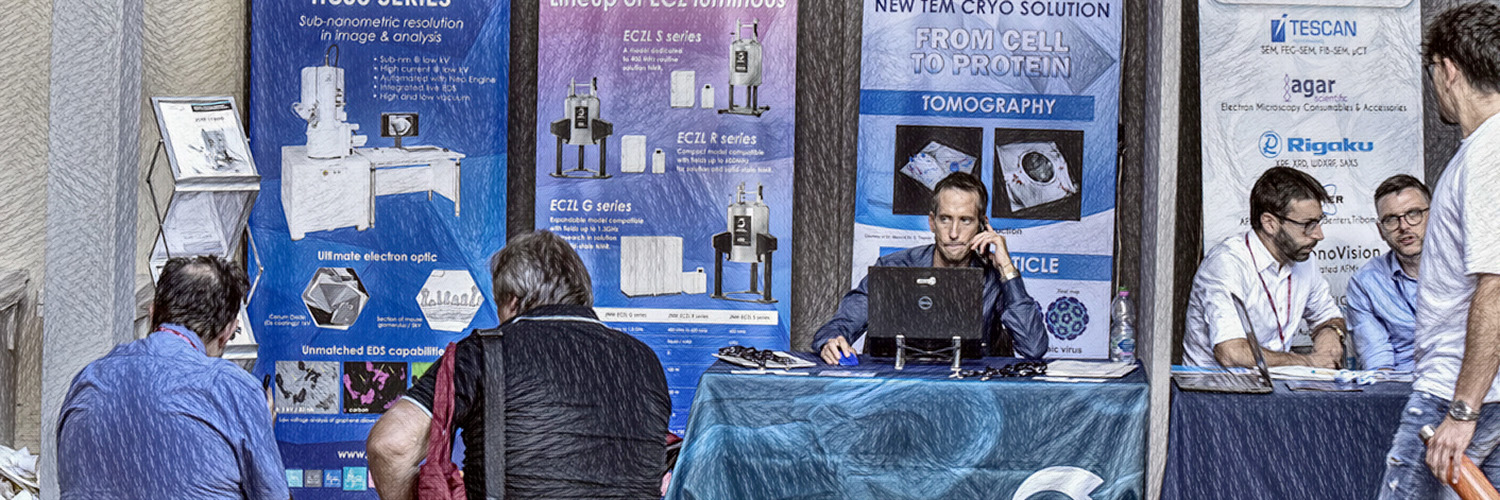
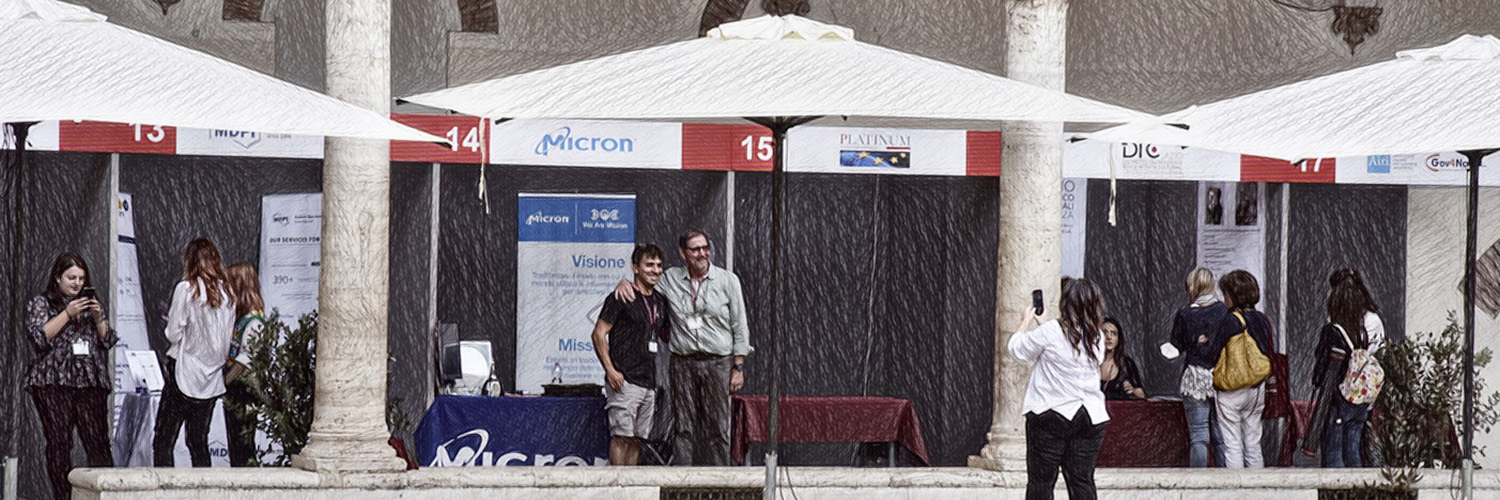
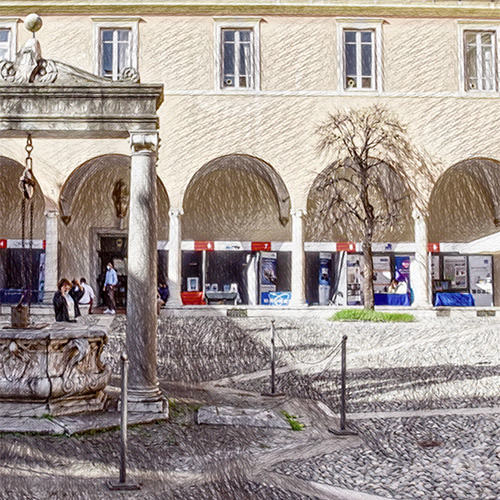 The exhibition area of NanoInnovation 2023 will host the most important companies, SMEs, universities, and research centres active in all application fields of micro and nanotechnologies: microscopy, nanomedicine, micro-nano electronics, agri-food, intellectual property, energy, environment, and much more...